
18 March, 2026

What to Do in Morocco | Top Experiences for an Unforgettable Journey

Morocco is a destination full of contrasts, where every region offers a different experience. From vibrant cities and historic medinas to vast deserts and scenic mountains, there is always something unique to discover. Whether you are looking for adventure, culture, or relaxation, Morocco offers a wide range of activities that make every trip memorable. One of the first experiences not to miss is exploring the medinas of cities like Marrakech and Fes. These old towns are filled with narrow streets, traditional markets, and hidden riads. Walking through the souks allows you to discover handmade crafts such as carpets, leather goods, ceramics, and spices. The atmosphere is lively and authentic, giving you a real sense of Moroccan daily life. A visit to the Sahara Desert is another highlight of any trip to Morocco. Traveling to places like Merzouga allows you to experience the beauty of golden sand dunes stretching as far as the eye can see. Camel trekking at sunset is one of the most popular activities, followed by a night in a desert camp where you can enjoy traditional food and music under the stars. For nature lovers, the Atlas Mountains offer incredible opportunities for hiking and discovering Berber villages. The landscapes are diverse, ranging from green valleys to rocky peaks. Spending time in the mountains gives you a chance to experience a quieter side of Morocco and learn about local traditions and lifestyles. Morocco’s coastline is also worth exploring. Cities like Essaouira offer a relaxed atmosphere with beautiful beaches, fresh seafood, and a charming medina. It is an ideal place to unwind, walk along the ocean, and enjoy a different pace compared to the busy inland cities. Food is an essential part of the Moroccan experience. Trying traditional dishes such as tagine and couscous is a must. You can also take part in a cooking class to learn how to prepare these meals yourself. Visiting local markets to see fresh ingredients and spices adds another layer to the culinary experience. Historical sites and architecture are everywhere in Morocco. From ancient kasbahs to grand palaces and mosques, each place tells a story about the country’s rich past. Visiting landmarks like Ait Benhaddou or the Bahia Palace allows you to understand Morocco’s cultural heritage and architectural beauty. Another unique experience is visiting traditional hammams. These public baths are an important part of Moroccan culture and offer a relaxing and authentic way to unwind. It is a great opportunity to experience local traditions while taking care of your well being. Shopping in Morocco is more than just buying souvenirs. It is an experience in itself. Bargaining is common in markets, and interacting with local vendors can be both fun and rewarding. You will find unique handmade items that reflect the craftsmanship and creativity of Moroccan artisans. For those interested in culture, attending local festivals or music performances can be very enriching. Morocco has a diverse musical heritage, and events often bring together traditional and modern influences. These gatherings provide insight into the country’s artistic expression and community spirit. Traveling through Morocco also means enjoying the journey between destinations. The landscapes change dramatically from one region to another, offering beautiful views along the way. Whether you are crossing mountains, driving through valleys, or heading toward the desert, the road itself becomes part of the experience. Morocco is a country that invites you to explore, taste, and connect. Every activity, whether simple or adventurous, adds to a deeper understanding of its culture and beauty. With so many things to do, each traveler can create a unique and unforgettable experience.

18 March, 2026

Discover the Rich Culture of Morocco

A Journey Through Traditions, Cities, and Daily Life Morocco is a country where history, culture, and tradition come together in a unique and fascinating way. Located at the crossroads of Africa, Europe, and the Middle East, it offers a rich cultural heritage shaped by Berber, Arab, Andalusian, and African influences. Traveling through Morocco is not only about visiting places, but also about experiencing a way of life that has been preserved for centuries. One of the most striking aspects of Moroccan culture is its historic cities. Imperial cities like Fes, Marrakech, Rabat, and Meknes are filled with architectural wonders, ancient medinas, and vibrant souks. Walking through the narrow streets of a medina feels like stepping back in time. You will find artisans working in small workshops, producing handmade goods such as leather, ceramics, carpets, and metalwork using traditional techniques passed down through generations. Fes, in particular, is known as the cultural and spiritual heart of Morocco. Its old medina, a UNESCO World Heritage Site, is one of the largest car free urban areas in the world. Here, daily life continues much as it has for centuries. The call to prayer echoes through the streets, and markets are full of colors, scents, and sounds that create an unforgettable atmosphere. Moroccan architecture is another key element of the country’s cultural identity. From grand palaces to simple riads, the design reflects a deep sense of artistry and attention to detail. Zellige tilework, carved wood, and decorative plaster are commonly found in homes and historical buildings. Places like traditional madrasas and mosques showcase the beauty of Islamic architecture in Morocco. Food also plays an essential role in Moroccan culture. Meals are often a social experience shared with family and friends. Traditional dishes such as tagine and couscous are prepared with a mix of spices that give Moroccan cuisine its distinctive flavor. Mint tea is more than just a drink; it is a symbol of hospitality and is offered to guests as a sign of welcome and respect. Morocco is also known for its diverse traditions and cultural practices. In rural areas, many communities still follow a lifestyle closely connected to nature. Berber villages in the Atlas Mountains maintain their customs, language, and traditional clothing. Festivals and local celebrations are an important part of life, often featuring music, dance, and traditional ceremonies that reflect the region’s identity. Music is deeply rooted in Moroccan culture. Different regions have their own musical styles, from Andalusian music in the north to Gnawa rhythms in the south. These musical traditions are often performed during festivals, weddings, and special occasions, creating a strong sense of community and cultural pride. Another important aspect of Moroccan culture is hospitality. Visitors are often welcomed warmly, whether in a city or a small village. Sharing food, tea, and conversation is a common way to connect with others. This sense of generosity and openness leaves a lasting impression on travelers. Clothing in Morocco also reflects cultural diversity. Traditional garments such as the djellaba and kaftan are still widely worn, especially during special occasions. These clothes are not only practical but also beautifully designed, often featuring intricate embroidery and high quality fabrics. Exploring Morocco means discovering a culture that is alive and evolving while staying deeply connected to its roots. Every region offers something different, from the coastal towns to the mountains and the desert. Each place has its own traditions, dialects, and way of life, making the country incredibly rich in diversity. A cultural journey through Morocco is not just about what you see, but also about what you feel and experience. It is about meeting people, learning their stories, and understanding the traditions that shape their daily lives. This connection is what makes traveling in Morocco truly special and memorable.

18 March, 2026

Ultimate Guide to a Morocco Sahara Desert Experience

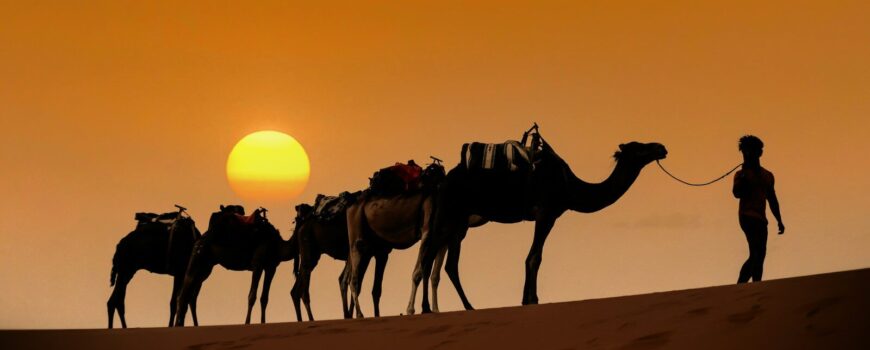
A Morocco Sahara desert tour is more than just a trip—it’s a journey into a world of golden dunes, ancient traditions, and unforgettable moments. From camel trekking across endless الرمال to sleeping under a sky full of stars, the Sahara offers one of the most authentic and magical travel experiences in the world. Whether you’re starting from Marrakech or Fes, a desert adventure is a must when visiting Morocco. Why Visit the Sahara Desert in Morocco? The Sahara Desert is one of the most iconic landscapes in North Africa. Its vast dunes, especially in Merzouga, create a dreamlike setting that attracts travelers from all over the world. But beyond the scenery, the experience is deeply cultural. You’ll meet local Berber families, discover nomadic lifestyles, and enjoy traditional music around a campfire. The desert is also a place of peace. Far from busy cities, it offers silence, fresh air, and a chance to disconnect and recharge. The Journey to the Desert Reaching the Sahara is part of the adventure. Most tours take you through the Atlas Mountains, where you’ll see dramatic landscapes, small villages, and breathtaking viewpoints. Along the way, you’ll pass through places like Ifrane (known as “Little Switzerland”), cedar forests with wild monkeys, and beautiful valleys such as Ziz Valley. This road trip gives you a complete view of Morocco’s diversity—from green mountains to dry desert landscapes. Camel Trekking: A Must-Do Experience One of the highlights of any Sahara tour is the camel trek. Riding a camel across the golden dunes during sunset is an unforgettable moment. The slow rhythm of the camel, combined with the changing colors of the sand, creates a peaceful and almost surreal experience. Most tours include a stop on top of a high dune where you can watch the sunset. It’s the perfect time for photos and quiet reflection. Overnight in a Desert Camp After the camel ride, you’ll arrive at a desert camp nestled among the dunes. Camps range from standard to luxury, but all offer a unique experience. In the evening, you’ll enjoy a traditional Moroccan dinner, often including tagine and fresh bread. After dinner, local hosts play Berber music around the campfire. The atmosphere is warm, welcoming, and full of culture. Later, you can climb the dunes to admire the stars. With no light pollution, the sky is incredibly clear—perfect for stargazing. Sunrise Over the Dunes Waking up early in the desert is highly recommended. The sunrise over the dunes is one of the most beautiful moments of the trip. As the sun rises, the colors of the sand change from deep orange to soft gold, creating a magical scene. It’s a peaceful way to start the day before heading back to the village. Cultural Encounters in the Desert A Sahara tour is not just about landscapes—it’s also about people. Many tours include visits to nomadic families who live in tents and rely on traditional ways of life. You may also visit villages like Khamlia, where you can enjoy Gnawa music, a unique cultural heritage with African roots. These experiences give you a deeper understanding of Morocco’s rich and diverse culture. Best Time to Visit the Sahara The best time to visit the Sahara Desert is during spring (March to May) and autumn (September to November). During these months, temperatures are pleasant, making the experience more comfortable. Summer can be very hot, especially during the day, while winter nights can be quite cold. However, each season has its own charm. What to Pack for Your Desert Tour To fully enjoy your Sahara experience, it’s important to come prepared. Here are a few essentials: Tips for an Unforgettable Experience Conclusion A Morocco Sahara desert experience is truly once in a lifetime. From the scenic drive through the mountains to the magical nights in the dunes, every moment is filled with beauty and authenticity. Whether you are seeking adventure, culture, or relaxation, the Sahara has something special to offer. If you’re planning a trip to Morocco, don’t miss the chance to explore the desert—it’s an experience that will stay with you forever.