A Journey Through Traditions, Cities, and Daily Life
Morocco is a country where history, culture, and tradition come together in a unique and fascinating way. Located at the crossroads of Africa, Europe, and the Middle East, it offers a rich cultural heritage shaped by Berber, Arab, Andalusian, and African influences. Traveling through Morocco is not only about visiting places, but also about experiencing a way of life that has been preserved for centuries.
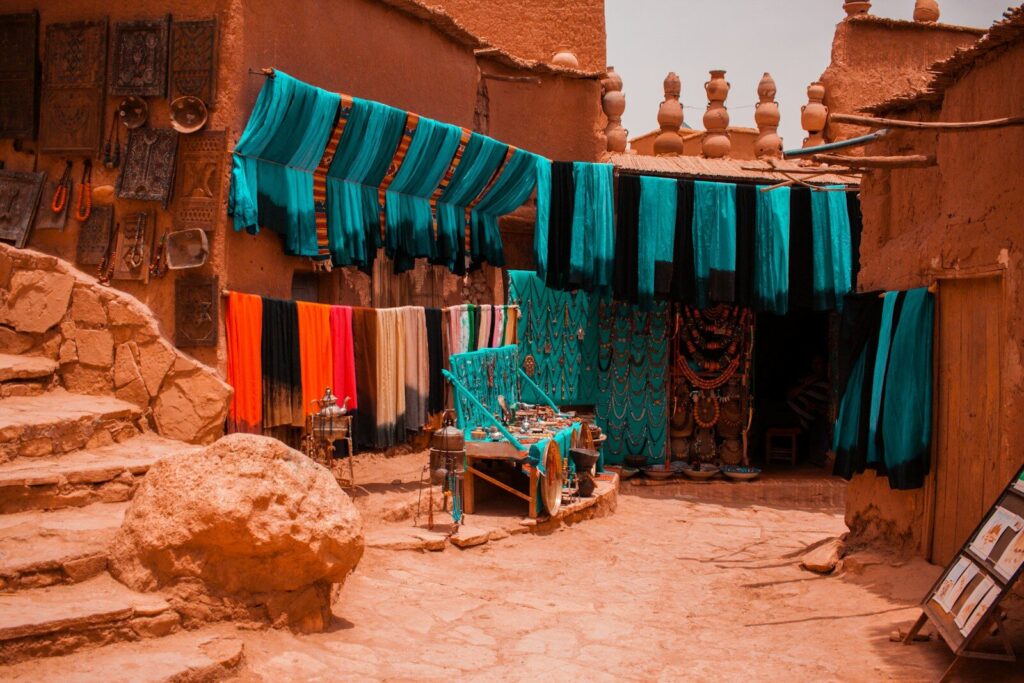
One of the most striking aspects of Moroccan culture is its historic cities. Imperial cities like Fes, Marrakech, Rabat, and Meknes are filled with architectural wonders, ancient medinas, and vibrant souks. Walking through the narrow streets of a medina feels like stepping back in time. You will find artisans working in small workshops, producing handmade goods such as leather, ceramics, carpets, and metalwork using traditional techniques passed down through generations.
Fes, in particular, is known as the cultural and spiritual heart of Morocco. Its old medina, a UNESCO World Heritage Site, is one of the largest car free urban areas in the world. Here, daily life continues much as it has for centuries. The call to prayer echoes through the streets, and markets are full of colors, scents, and sounds that create an unforgettable atmosphere.
Moroccan architecture is another key element of the country’s cultural identity. From grand palaces to simple riads, the design reflects a deep sense of artistry and attention to detail. Zellige tilework, carved wood, and decorative plaster are commonly found in homes and historical buildings. Places like traditional madrasas and mosques showcase the beauty of Islamic architecture in Morocco.
Food also plays an essential role in Moroccan culture. Meals are often a social experience shared with family and friends. Traditional dishes such as tagine and couscous are prepared with a mix of spices that give Moroccan cuisine its distinctive flavor. Mint tea is more than just a drink; it is a symbol of hospitality and is offered to guests as a sign of welcome and respect.
Morocco is also known for its diverse traditions and cultural practices. In rural areas, many communities still follow a lifestyle closely connected to nature. Berber villages in the Atlas Mountains maintain their customs, language, and traditional clothing. Festivals and local celebrations are an important part of life, often featuring music, dance, and traditional ceremonies that reflect the region’s identity.
Music is deeply rooted in Moroccan culture. Different regions have their own musical styles, from Andalusian music in the north to Gnawa rhythms in the south. These musical traditions are often performed during festivals, weddings, and special occasions, creating a strong sense of community and cultural pride.
Another important aspect of Moroccan culture is hospitality. Visitors are often welcomed warmly, whether in a city or a small village. Sharing food, tea, and conversation is a common way to connect with others. This sense of generosity and openness leaves a lasting impression on travelers.
Clothing in Morocco also reflects cultural diversity. Traditional garments such as the djellaba and kaftan are still widely worn, especially during special occasions. These clothes are not only practical but also beautifully designed, often featuring intricate embroidery and high quality fabrics.
Exploring Morocco means discovering a culture that is alive and evolving while staying deeply connected to its roots. Every region offers something different, from the coastal towns to the mountains and the desert. Each place has its own traditions, dialects, and way of life, making the country incredibly rich in diversity.
A cultural journey through Morocco is not just about what you see, but also about what you feel and experience. It is about meeting people, learning their stories, and understanding the traditions that shape their daily lives. This connection is what makes traveling in Morocco truly special and memorable.
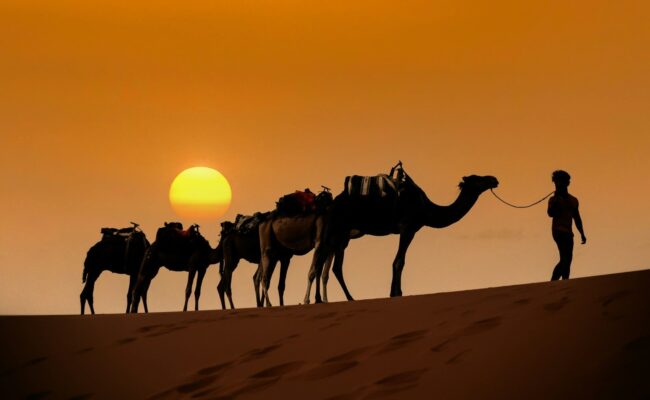
A Morocco Sahara desert tour is more than just a trip—it’s a journey into a world of golden dunes, ancient traditions, and unforgettable moments. From camel trekking across endless الرمال to sleeping under a sky full of stars, the Sahara offers one of the most authentic and magical travel experiences in the world. Whether you’re […]
Morocco is a destination full of contrasts, where every region offers a different experience. From vibrant cities and historic medinas to vast deserts and scenic mountains, there is always something unique to discover. Whether you are looking for adventure, culture, or relaxation, Morocco offers a wide range of activities that make every trip memorable. One […]